Demand growth
The IEA projects copper demand to grow 30% by 2040, driven by grids, construction, industrial equipment and electrification.
Read source
Highveld Industrial Park | Africa-ready beneficiation
Modular, non-electric copper smelting that turns oxide, transition, sulphide and e-waste feedstocks into refinery-ready blister copper with low electrical demand and rapid deployment.
Why this matters now
Electrification, grids, data centres and industrial growth are lifting copper demand while new mines take longer and cost more to bring online. AfriX Copper is positioned around a practical bottleneck: converting underused African feedstocks into saleable copper without relying on large electric furnace loads.
The IEA projects copper demand to grow 30% by 2040, driven by grids, construction, industrial equipment and electrification.
Read sourceThe current project pipeline could leave copper with a 30% supply deficit by 2035 as ore grades decline and project lead times stretch.
Read sourceS&P Global points to tight concentrate supply and smelting bottlenecks as reasons copper prices remain structurally supported.
Read sourceSouth Africa's critical minerals strategy calls for local processing, beneficiation, skills, jobs and cross-border African mineral value chains.
Read source
Project fit
The AfriX Copper model targets feed sources that are often too small, remote or power-constrained for conventional processing. The source deck identifies sulphide concentrates, transition ores, oxide ores from Upington and Okiep, and e-waste as addressable feed categories.
Technology
The smelter concept uses internally generated thermal energy, heat recovery and modern gas cleaning to reduce reliance on grid power while keeping controls and auxiliary systems practical for local teams.
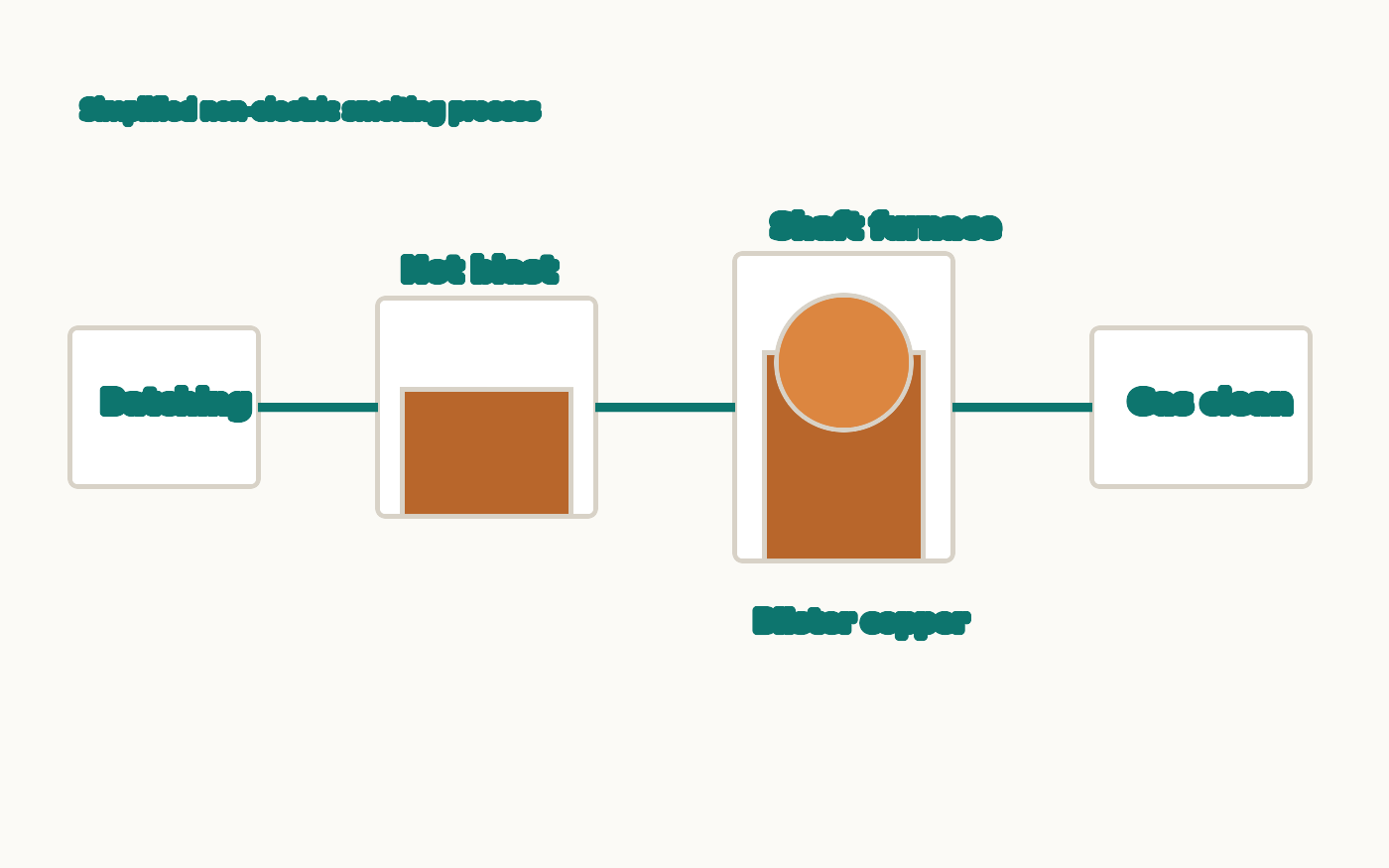
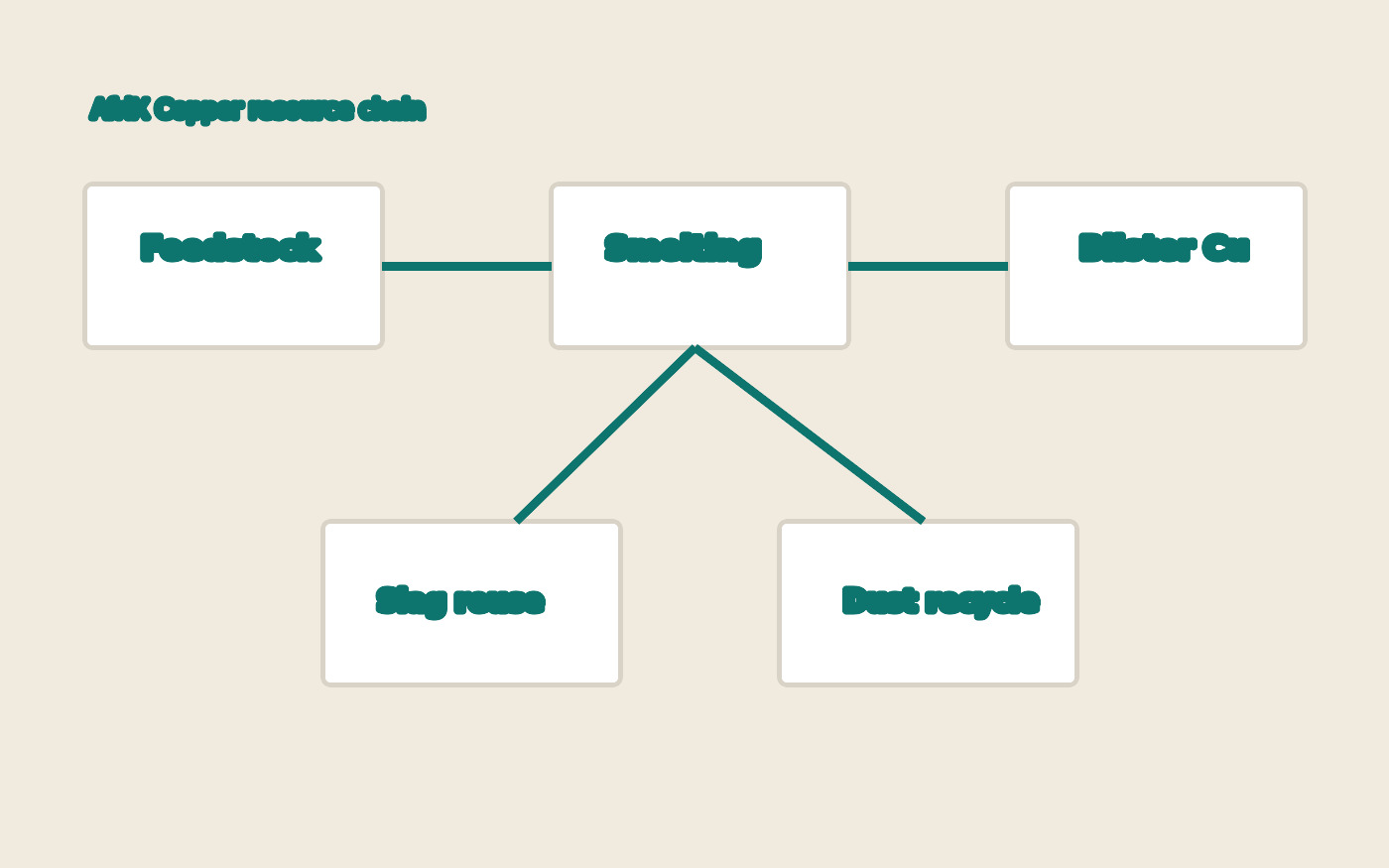
Oxide, transition, sulphide or e-waste feed is blended with fluxes, binders and reductants.
Carbothermic reduction and shaft furnace smelting produce blister copper and separable slag.
Recuperation supports hot blast operation while cyclone and wet scrubber systems clean off-gas.
Blister copper moves to refining; dust is recycled and granulated slag can support construction uses.
Module economics
The source deck frames AfriX Copper around MK1 and MK4 furnace modules, allowing the business to start with smaller feed campaigns and expand as resources, offtake and operating data mature.
| Module | Feed basis | Blister copper | Typical role |
|---|---|---|---|
| MK1 1 tph | 200 t/m concentrate feed | 22 t/m | Pilot, tolling and campaign proof |
| MK4 1 tph | 480 t/m ore feed | 48 t/m | Compact commercial module |
| MK4 3 tph | 1,440 t/m ore feed | 144 t/m | Mine-site or HIP expansion plant |
Product output
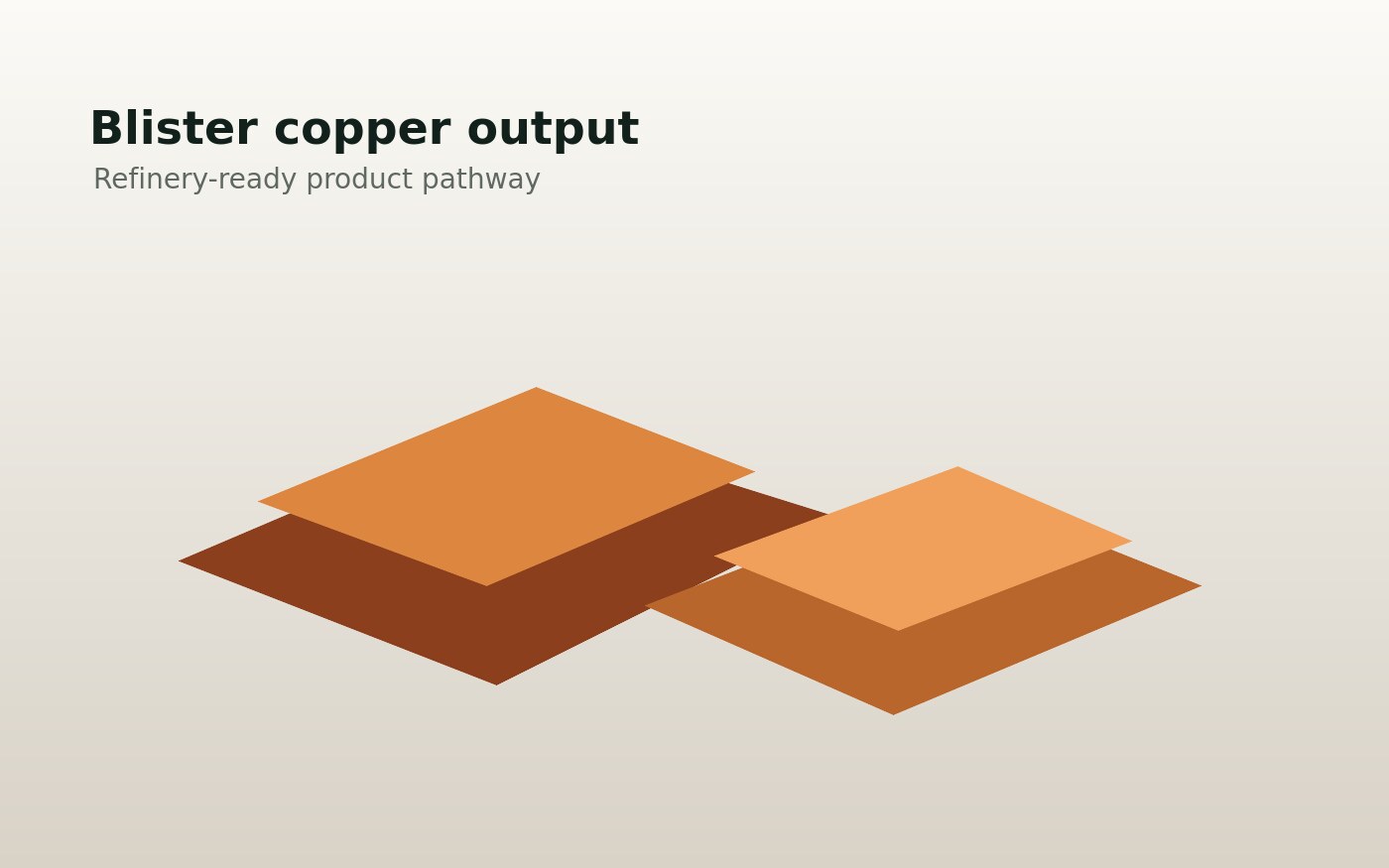
Supplied AfriX Copper materials present blister copper as the primary saleable product, with granulated slag for construction or cement use and recovered dust recycled back to the furnace.
Client value
Unlock oxide and transition ore that may not justify a conventional plant. Modules can be deployed at the mine or operated from a central industrial base.
Use toll smelting to convert concentrate into blister copper without carrying full smelter project complexity.
Evaluate e-waste campaigns for copper recovery, dust recycling and circular-economy metal flows.
Build relationships around African blister copper supply that can expand with modular capacity.
Traction and location
AfriX Copper was incorporated in 2024 to commercialise XRAM's copper smelter technology at Highveld Industrial Park, using a pilot and demonstration base plus planned MK4 furnace capacity.
Highveld Industrial Park base
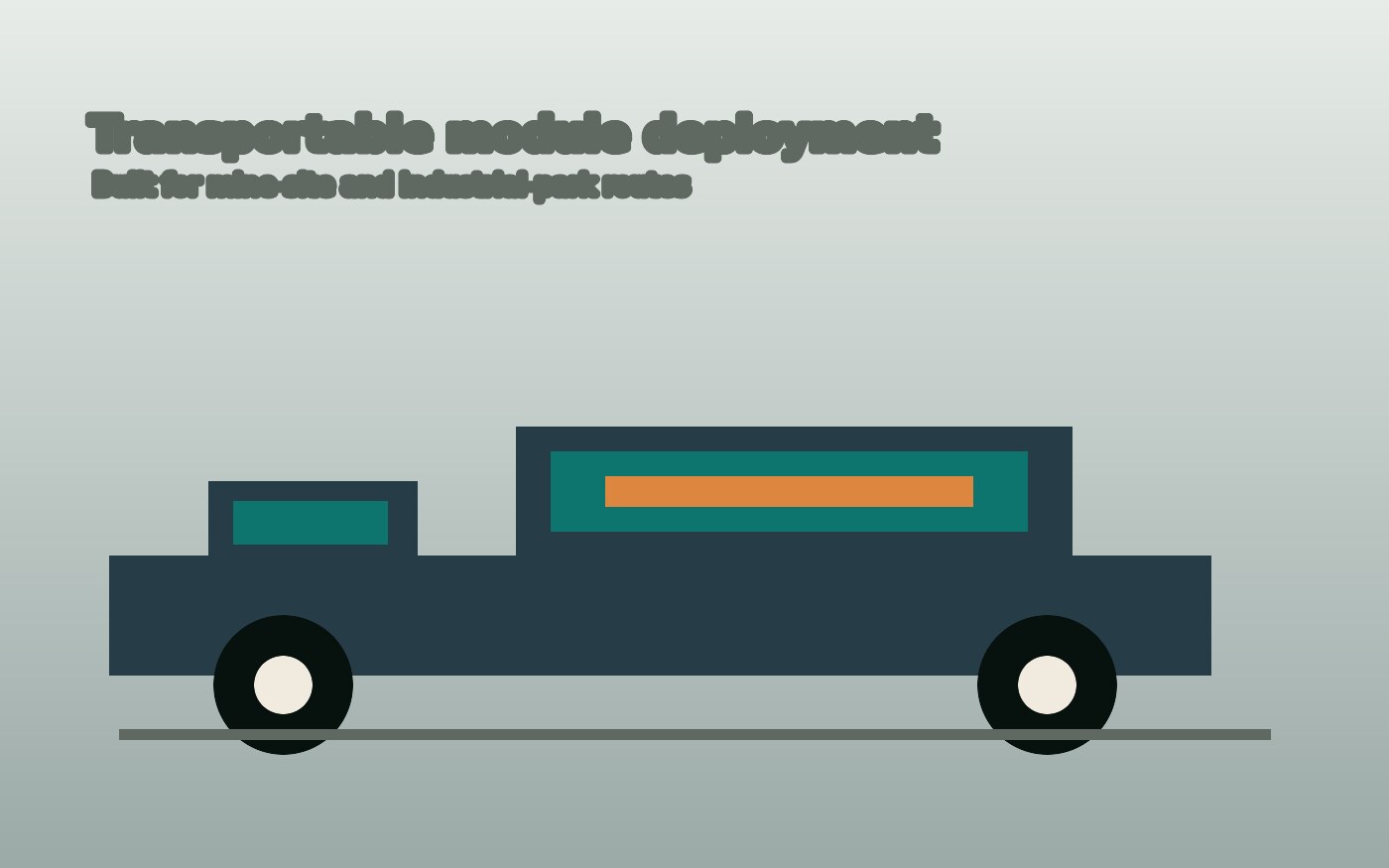
The source deck identifies Highveld Industrial Park infrastructure as a key advantage: security, paved roads, weighbridges, Eskom power, water, piped process gas, industrial oxygen and nitrogen, laboratory services, emergency support and training facilities.
Investor case
The December 2024 source deck presents a compact project case with attractive returns, fast deployment and multiple expansion options. The website keeps those numbers visible while guiding serious investors to the diligence pack.
Project metrics are from the supplied source deck and should be updated against current operating, permitting, feedstock and offtake data before investment decisions.
Source-deck project case
Source-deck project case
Source-deck project case
Resources
The site is designed to give fast confidence, then move qualified visitors into the full deck, flyer and a direct conversation.
Start a conversation
Serious enquiries can share project scope, feed type, location, expected volume and preferred commercial model. The form opens an email draft so the next step is immediate.